

Fiber Fence Security System
Fiber optics that monitor and secure property. Fiber optic technology has many unique characteristics that make it especially well suited to security and other monitoring applications. Your application may be perimeter fence monitoring or delivering a no-spark sensor signal miles in distance for detection. Utilizing an infrared light source through optical fiber is a cost effective reliable solution. Zone mapping software constantly alerts you of a zone violation.

A Security System That Uses Fiber Optic to Monitor & Secure Your Property
Advantages include:
Immunity to EMI - Electromagnet Interference (EMI) is a common problem in factories and other industrial environments where machinery, lighting systems, and other sources of radio emissions can interfere with conventional monitoring systems. Our fiber optic sensors are 100% immune to the effects of EMI.
Safe for Non-Spark Environments - Our non-sparking fiber optic sensors do not use electricity at the sensing location, making them ideal for use in environments where volatile gases or materials may be present.
Exceptional Monitoring Range - Our sensors do not require electricity beyond the Central Control Unit. That enables our sensors to be used in remote areas without the need for electricity at the sensing location.
General Uses:

Manhole Cover Protection
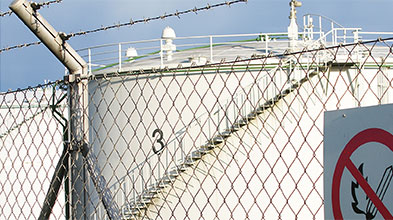
Commercial Complexes
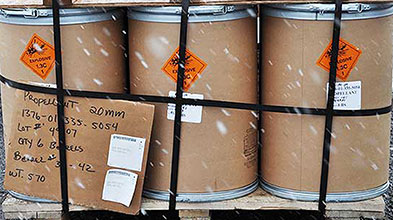
Critical Mass Protection

Bridges, Pipelines & Rails
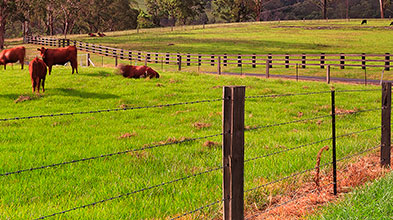
Agriculture Fencing

Airports
Here's How It Works:
Perimeter protection for a single zone up to 10 miles can be achieved. In perimeter fence line applications, FIBER FENCE operates utilizing a Mouse Trip mounted at regular intervals along a fence line. Fiber optic cable is threaded though the Mouse Trip. When the cable is disturbed there is a reduction in the intensity of the light cable. There is a reduction in the intensity of the light in the cable it is detected by the Zone Control Unit this sets off the alarm. Using Internet options in conjunction with the optional FIBER FENCE Zone Mapping Software the location of the disturbance is reported.
Here's What You Need:
1. ZONE CONTROL UNIT
This is the heart of the Fiber Fence Security System. Using a laser, this unit sends light through a fiber optic cable and sensors. When the fiber or a sensor detects an event such as a pull , stress or a break, the amount of light sent back to the Zone Control Unit is reduced causing an alert light and audible alarm to activate. As an example, the relay can be included in an alarm circuit to an exterior light or horn system, an automatic phone dial up system, or other security system. There is also a USB Internet Zone Control Unit and software package that can provide alerts on your computer for multiple zones, identify the location to expedite the response, and provide email and text alerts.
2. MOUSE TRIPS
The new Mini Mouse Trip is a passive device mounted to the fence line and the fiber optic cable. When the fiber is disrupted it reduces the flow of light. The Zone Control Unit will then set off the alarm. It does not require manual reset at the location, but allows minor disturbances to reset automatically.
3. OPTI-MAG SENSOR
Opti-Mag Cover Cops are sealed and contain an internal magnet and spring mechanism that allows light transmission through the fiber only when it is positioned in a specified proximity to the selected magnetic target (ie. gate, door, manhole cover). A metal plate must be installed if there is no metal for the magnet to sense. When the target (metal gate etc.) is moved away from the sensor, a bend will occur in the fiber optic cable and the event will trigger the alarm. Once the target is returned to its original position, unrestricted light transmission through the sensor is restored. Each Opti-Mag Sensor is rated for 10,000 cycles and must be spliced into the Fiber Fence cable.
4. FIBER OPTIC CABLE
Fiber Fence Security System utilizes either simplex or duplex bend sensitive fiber optic cable. This cable has a UV protected jacket for a longer life. Shorter lengths of cable can be lengthened by splicing or a patch cable which can be provided. Excess fiber can be coiled with no bends.
5. ZONE SOFTWARE
Zone Mapping Software allows the user to upload a map from Google Maps or a map scanned into a computer, identify the perimeter, and multiple zones to be protected. Mapping software can identify and pinpoint an alarm on the map of the protected area. If you have internet access a text message or email can be sent to alert you of an intrusion.