Fiber Optic Adaptors
Differences in Adapters
Fiber optic adaptors (Also known as a fiber optic coupler or mating sleeve) are designed to connect two fiber optic cables together. Fiber optic adaptors are designed for multimode or single mode cables and have various features that help distinguish them from one another. When looking at
Read more...
Decisions, Decisions
There are so many fiber optic cable options available that one might wonder where to start. This article will set you on the right path in the decision process. Let’s begin by focusing on the broad categories of fiber optic cable. Below you can make “either/or” decisions. A handy reference chart that
Read more...
Fusion Splice Protection Sleeves
Before we begin to dive into that question let’s get a brief understanding on what a fusion splicer is.
If you are in the fiber optic world you will definitely know what a fusion splicer is and most likely will have used one or will be using one. A fusion splicer is a machine that fuses or welds two
Read more...
Which Way of Terminating Fiber Optic Connectors is Best?
When looking at terminating fiber optic connectors for a job there are several factors that are taken into account to help decide which way is best. There are field polish connectors in which some form of epoxy (glue) is used to hold the fiber in place. With this one, you
Read more...
FIS MPO Test Set: Allows loss testing and verification of polarity for MPO assemblies to be done quick and easy.
MPO Cables Allow High Speed Transport of Optical Data
MPO cables, which are typically made with ribbon or micro-distribution cable, make up a substantial share of today’s optical industry. It’s understandable
Read more...
Fiber Optic Power Meter & Light Source
A Power Meter & Light Source is a low cost way to certify optical fiber. These two pieces of test equipment are used to measure fiber optic light continuity, loss and lastly the actual strength of the optical signal.
Fiber Optic Signal Loss
In fiber optics when a beam of light which
Read more...
What is Fusion Splicing?
This is a method of connecting two pieces of optical fiber. The ends of two pieces of fiber are mated in a precise way so that light can travel through the fiber. The joining of the two fiber ends must be done in such a manner that the light is not scattered as it passes through the location of the two spliced ends. This
Read more...
What role does fiber optics play in the mining industry?
As technicians and professionals in this business know, the safe and reliable nature of fiber optics makes it the perfect communication solution for use in a wide variety of industries and mining in particular. The anti-spark, strong, fast, and reliable over long distances
Read more...
Something that I take a lot of pride in, is the technical support and service that my department provides our customers on a daily basis, free of charge. I always feel a huge sense of satisfaction when the technical department can provide a solution to our customer’s questions. Frank Giotto, the President of FIS, always has referred to it as “
Read more...
What are the advantages of blowing or jetting fiber optic cable vs. traditional pulling?
Pulling and blowing are the two primary fiber installation methods. But each of these techniques can impact the longevity, performance, and return on investment (ROI) of a fiber optic network. If you take into account the fragility of glass or fused
Read more...


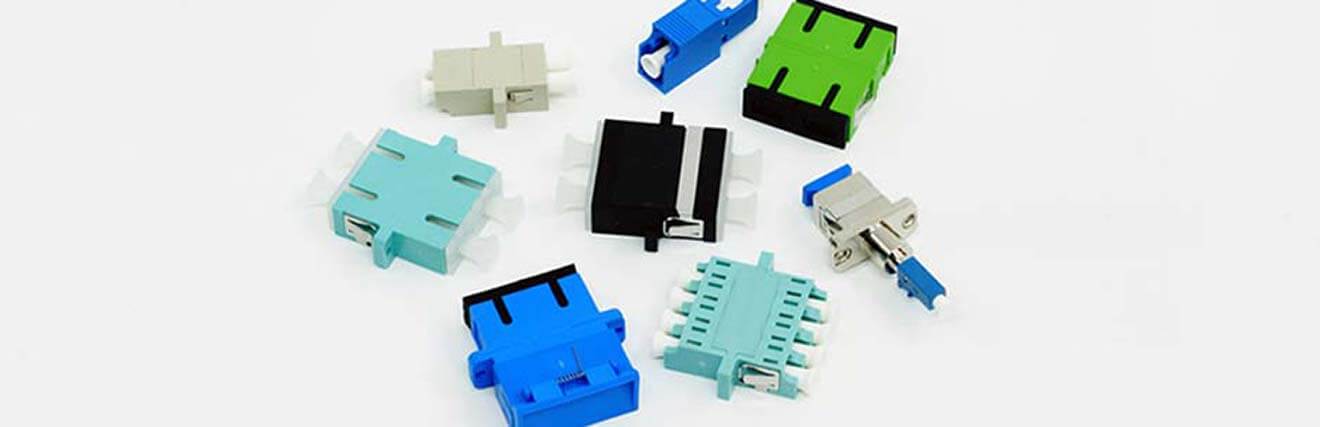 Fiber Optic Adaptors
Differences in Adapters
Fiber optic adaptors (Also known as a fiber optic coupler or mating sleeve) are designed to connect two fiber optic cables together. Fiber optic adaptors are designed for multimode or single mode cables and have various features that help distinguish them from one another. When looking at
Read more...
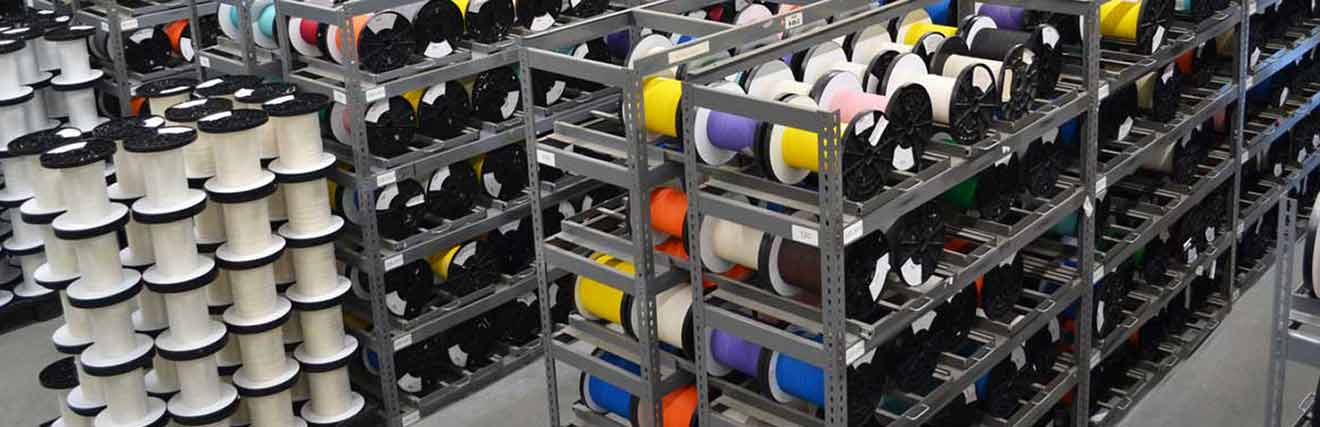 Decisions, Decisions
There are so many fiber optic cable options available that one might wonder where to start. This article will set you on the right path in the decision process. Let’s begin by focusing on the broad categories of fiber optic cable. Below you can make “either/or” decisions. A handy reference chart that
Read more...
 Fusion Splice Protection Sleeves
Before we begin to dive into that question let’s get a brief understanding on what a fusion splicer is.
If you are in the fiber optic world you will definitely know what a fusion splicer is and most likely will have used one or will be using one. A fusion splicer is a machine that fuses or welds two
Read more...
 Which Way of Terminating Fiber Optic Connectors is Best?
When looking at terminating fiber optic connectors for a job there are several factors that are taken into account to help decide which way is best. There are field polish connectors in which some form of epoxy (glue) is used to hold the fiber in place. With this one, you
Read more...
 FIS MPO Test Set: Allows loss testing and verification of polarity for MPO assemblies to be done quick and easy.
MPO Cables Allow High Speed Transport of Optical Data
MPO cables, which are typically made with ribbon or micro-distribution cable, make up a substantial share of today’s optical industry. It’s understandable
Read more...
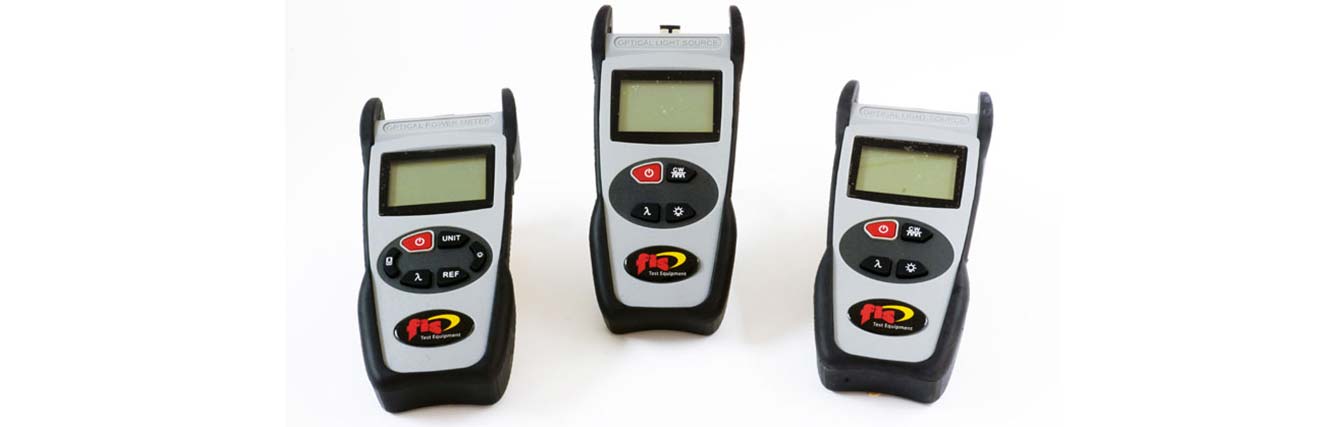 Fiber Optic Power Meter & Light Source
A Power Meter & Light Source is a low cost way to certify optical fiber. These two pieces of test equipment are used to measure fiber optic light continuity, loss and lastly the actual strength of the optical signal.
Fiber Optic Signal Loss
In fiber optics when a beam of light which
Read more...
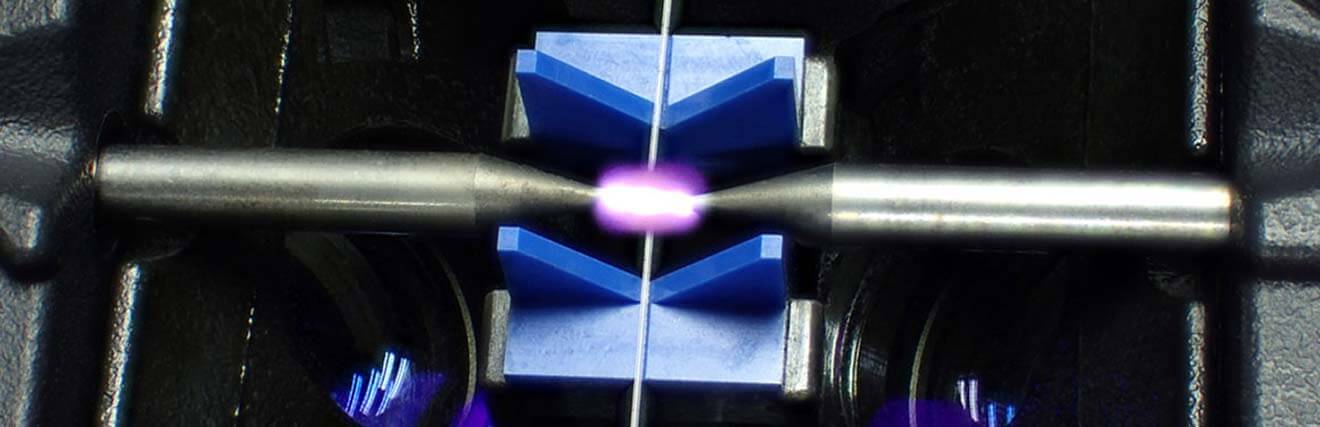 What is Fusion Splicing?
This is a method of connecting two pieces of optical fiber. The ends of two pieces of fiber are mated in a precise way so that light can travel through the fiber. The joining of the two fiber ends must be done in such a manner that the light is not scattered as it passes through the location of the two spliced ends. This
Read more...
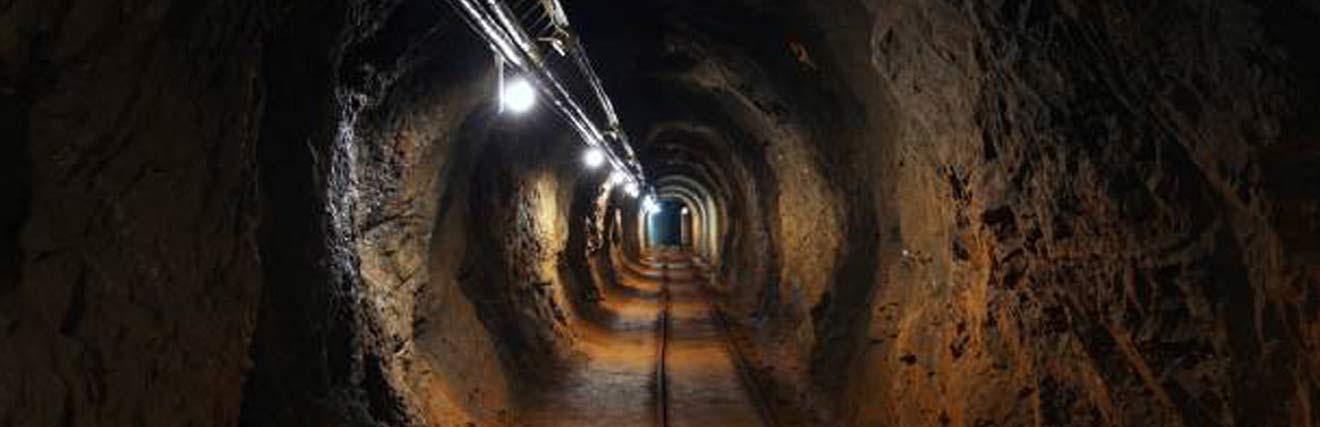 What role does fiber optics play in the mining industry?
As technicians and professionals in this business know, the safe and reliable nature of fiber optics makes it the perfect communication solution for use in a wide variety of industries and mining in particular. The anti-spark, strong, fast, and reliable over long distances
Read more...
 Something that I take a lot of pride in, is the technical support and service that my department provides our customers on a daily basis, free of charge. I always feel a huge sense of satisfaction when the technical department can provide a solution to our customer’s questions. Frank Giotto, the President of FIS, always has referred to it as “
Read more...
 What are the advantages of blowing or jetting fiber optic cable vs. traditional pulling?
Pulling and blowing are the two primary fiber installation methods. But each of these techniques can impact the longevity, performance, and return on investment (ROI) of a fiber optic network. If you take into account the fragility of glass or fused
Read more...