We can all agree that it’s great having today’s high bandwidth optical networks to fulfill our needs within our daily lives.
While the capabilities that these networks provide cannot be matched, their higher sensitivity to back reflection and attenuation can be a constant concern. As the internet takes over more and more
Read more...
Data Centers A Growing Business
Professionals in fiber optics and related fields want to know where data centers will be a growing business. They'd also like to understand why they're being built in the places they are. While there's no way to be sure of future trends, corporations keep certain factors in mind. They put more data centers
Read more...
SOC’s Are an Excellent Way to Achieve Low-loss Connections
Prior to the introduction of fusion splicers, it was common for fiber optic installers to hand-polish connectors in order to minimize optical loss. For each connector, the process involved:• Stripping the field fiber and using epoxy to glue the fiber within a connector
Read more...
In today’s day and age, we are more connected than ever. And we expect it.
At the work place we are attending virtual trainings on the latest technologies and we are connecting across the globe with our colleagues in real-time meetings – with just the click of a button.When we leave work, we are going home using app-based scooters and bicycles
Read more...
There are three basic steps to identifying loss events and restoring a fiber link.
1. Identify the type and location of optical loss (fault(s))2. Repair the fault(s)3. Test the repaired fiber
Where to begin?
A good way to start, is to eliminate “human error”. For example, if the problem is in a LAN, ask if anyone has recently
Read more...
Fiber optic cleavers are no exception! The old adage, “You get what you pay for” applies to most purchases that you make in life.
When choosing a fiber optic cleaver there are two types of devices to consider:• Precision Cleavers – These are used to prepare fiber for fusion splicing. This is a process in which a
Read more...
An OTDR Creates a Picture
Time Domain Reflectometers (OTDRs) are a valuable tool for measuring the performance of optical cables. They are often used to create a "picture" of a fiber optic cable when it is first installed so later comparisons can be made to help with troubleshooting network problems. How do they work? OTDRs send pulses of
Read more...
Which Fiber Optic Fusion Splicer Should I Purchase?
Your clients or bosses have tasked you with fusion splicing fiber optic cable. Or the job in hand involves splicing and terminating various types of fiber optic connectors. But your project specifications demand the use of fusion splicing to join or terminate the fibers while minimizing
Read more...
The question I seem to be asked over and over is “What fiber optic connectors are used when I have non-standard size multimode and singlemode fiber”?
The frequency of this question led me to write this blog. It can be very frustrating when installers and technicians are faced with this situation, the proper fiber has been identified,
Read more...
The method that you choose to terminate fiber has greater impact on a loss budget than your choice of connector!
In this article we will talk about the various termination methods for your connector choice. The termination method you choose is just as important your connector choice.
For a true estimate of connector
Read more...


 We can all agree that it’s great having today’s high bandwidth optical networks to fulfill our needs within our daily lives.
While the capabilities that these networks provide cannot be matched, their higher sensitivity to back reflection and attenuation can be a constant concern. As the internet takes over more and more
Read more...
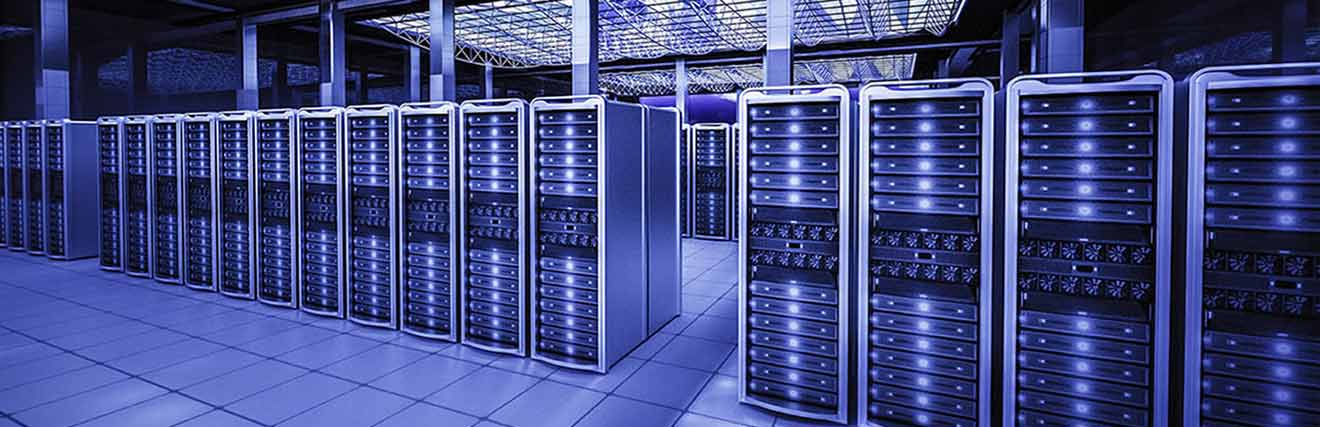 Data Centers A Growing Business
Professionals in fiber optics and related fields want to know where data centers will be a growing business. They'd also like to understand why they're being built in the places they are. While there's no way to be sure of future trends, corporations keep certain factors in mind. They put more data centers
Read more...
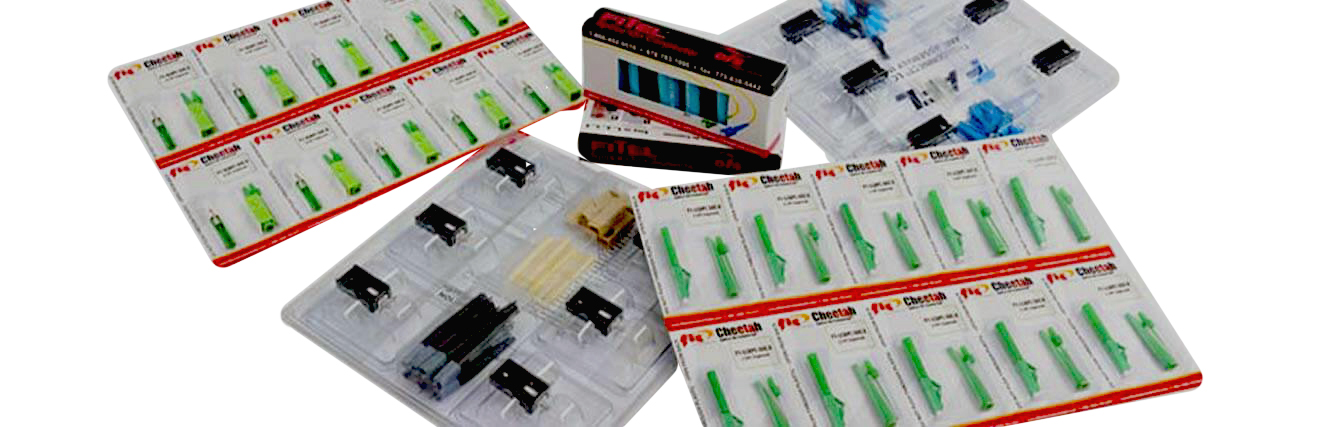 SOC’s Are an Excellent Way to Achieve Low-loss Connections
Prior to the introduction of fusion splicers, it was common for fiber optic installers to hand-polish connectors in order to minimize optical loss. For each connector, the process involved:• Stripping the field fiber and using epoxy to glue the fiber within a connector
Read more...
 In today’s day and age, we are more connected than ever. And we expect it.
At the work place we are attending virtual trainings on the latest technologies and we are connecting across the globe with our colleagues in real-time meetings – with just the click of a button.When we leave work, we are going home using app-based scooters and bicycles
Read more...
 There are three basic steps to identifying loss events and restoring a fiber link.
1. Identify the type and location of optical loss (fault(s))2. Repair the fault(s)3. Test the repaired fiber
Where to begin?
A good way to start, is to eliminate “human error”. For example, if the problem is in a LAN, ask if anyone has recently
Read more...
 Fiber optic cleavers are no exception! The old adage, “You get what you pay for” applies to most purchases that you make in life.
When choosing a fiber optic cleaver there are two types of devices to consider:• Precision Cleavers – These are used to prepare fiber for fusion splicing. This is a process in which a
Read more...
 An OTDR Creates a Picture
Time Domain Reflectometers (OTDRs) are a valuable tool for measuring the performance of optical cables. They are often used to create a "picture" of a fiber optic cable when it is first installed so later comparisons can be made to help with troubleshooting network problems. How do they work? OTDRs send pulses of
Read more...
 Which Fiber Optic Fusion Splicer Should I Purchase?
Your clients or bosses have tasked you with fusion splicing fiber optic cable. Or the job in hand involves splicing and terminating various types of fiber optic connectors. But your project specifications demand the use of fusion splicing to join or terminate the fibers while minimizing
Read more...
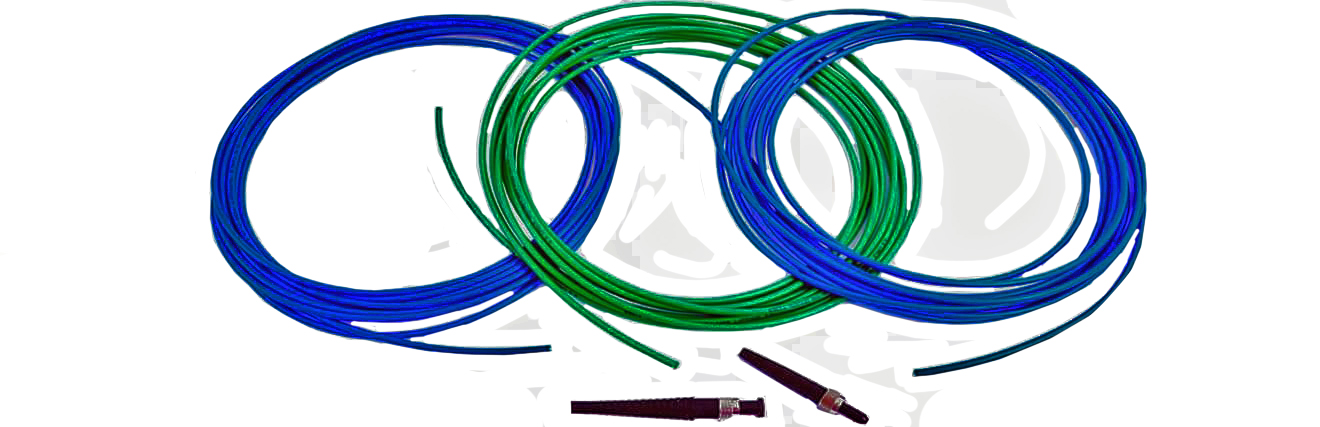 The question I seem to be asked over and over is “What fiber optic connectors are used when I have non-standard size multimode and singlemode fiber”?
The frequency of this question led me to write this blog. It can be very frustrating when installers and technicians are faced with this situation, the proper fiber has been identified,
Read more...
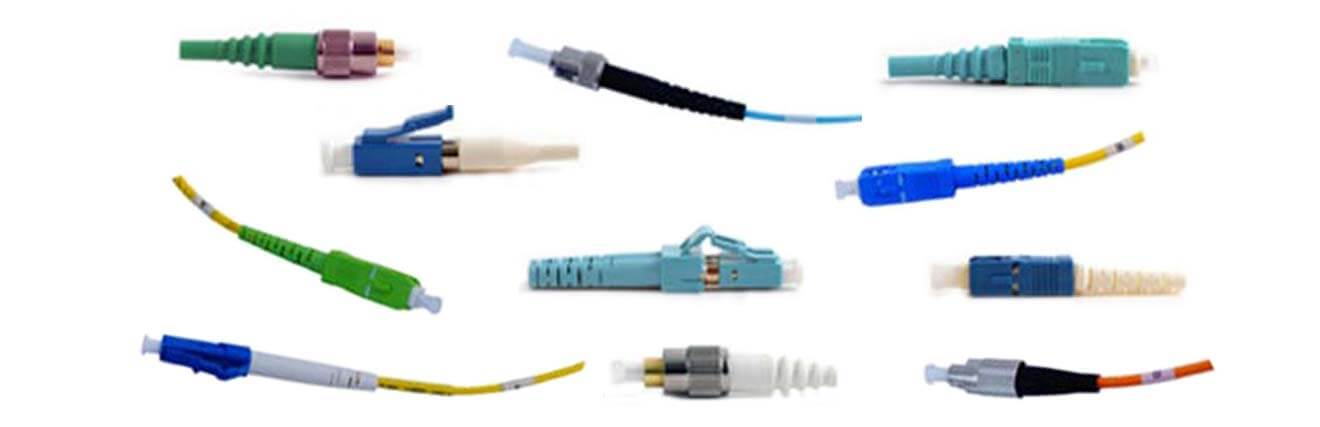 The method that you choose to terminate fiber has greater impact on a loss budget than your choice of connector!
In this article we will talk about the various termination methods for your connector choice. The termination method you choose is just as important your connector choice.
For a true estimate of connector
Read more...