

Understanding Retraction in Fiber Optic Cable

Fiber optic drop cables serve as crucial components in broadband networks, connecting homes to service providers. These cables typically feature an oval shape, with dimensions of 4.3mm by 8.0mm, containing one inner buffer tube that houses 1-12 fibers and two strength members. The polyethylene outer jacket provides resistance to UV rays and ensures durability whether installed aerially or underground. A NID box or “splice box” provides additional protection and cable management where the drop cable connects to the primary fiber optic network.
Fiber retraction is where the optical fiber within the cable itself retracts back into the outer sheath of the jacket as the cable relaxes or stretches into a resting position. This causes the fiber within house box (NID box) to tighten and may cause breakage or attenuation on network link. The drop cable's strength members are intended to carry any tensile load placed on the cable. If the fiber is not properly coupled to the cable, some of the load can be transferred to the fiber and cause retraction. Fiber retraction can cause serious network problems and affect the overall performance of the fiber and cable.
This guide will help you understand the causes of retraction in fiber optic drop cable, how to optimize the span length of the drop cable, and how to control the effects of retraction.
Cable Behavior Post-Installation
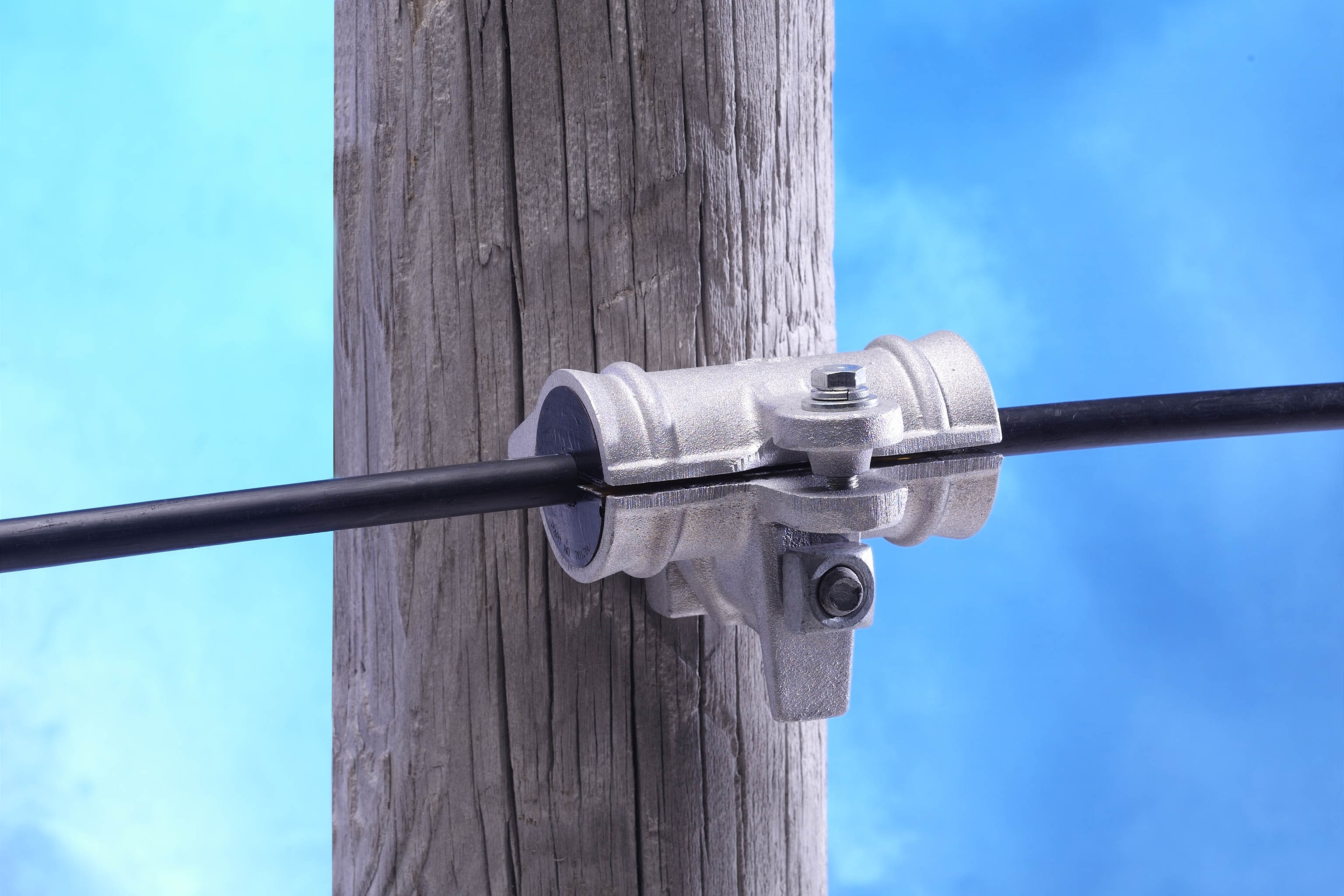
Once technicians remove drop cable from a master spool, the cable may undergo a length change due to relaxation, which is critical to understand during installation. Some fiber optic cable incorporates gel-filled tubes to keep the optical fiber from direct contact with the tube walls. This design not only protects the fibers from moisture but also allows them to shift and settle, accommodating temperature variations without stress.
Aerial installations expose cables to fluctuating environmental conditions, such as wind and snow, which can induce continuous expansion and contraction. Manufacturers categorize drop cables based on load ratings—Light, Medium, and Heavy—depending on the installation environment. For example, a Heavy load rating is essential in snow-prone Northeast regions, while a Light rating suffices in warmer Southwest areas.
Recommended Span Lengths
Span length is crucial for ensuring optimal performance and preventing issues related to optical fiber retraction:
- Heavy Load Environment: 150 feet
- Medium Load Environment: 225 feet
- Light Load Environment: 330 feet
Exceeding these recommendations can lead to increased attenuation or optical fiber breakage.
The Installation Process
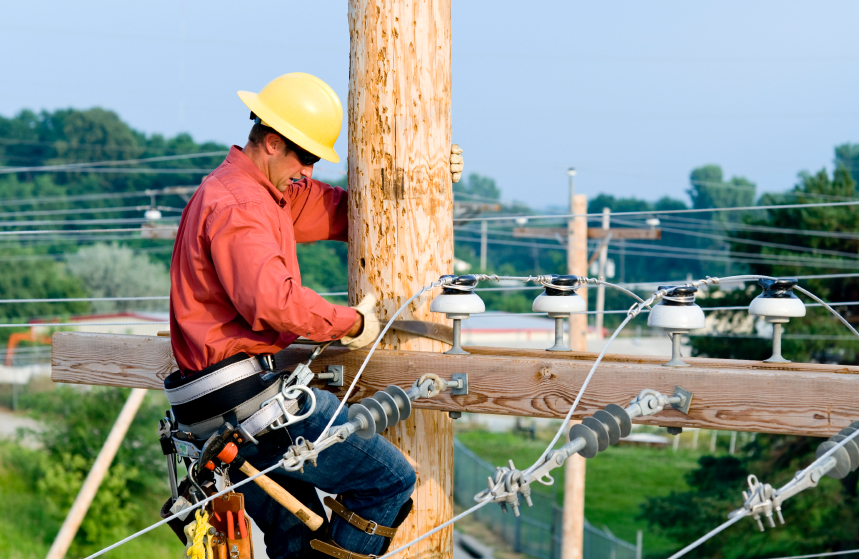
During installation, technicians splice drop cables from the master spool to a splitter or main cable at a terminal enclosure. The cable runs from a utility pole to a house, where it connects to a Network Interface Device (NID). The polyethylene jacket does not have a chance to conform to its new environment immediately, which is why implementing proper slack loops is vital.
Without sufficient slack, fibers can retract up to 5-6 inches within the first 24 hours post-installation. Manufacturers account for this potential movement by including Excess Fiber Length (EFL) in their designs. EFL is typically expressed as a percentage, allowing for flexibility during environmental changes. However, if the EFL is too long, it can lead to performance issues due to temperature fluctuations.
Methods for Controlling Fiber Retraction
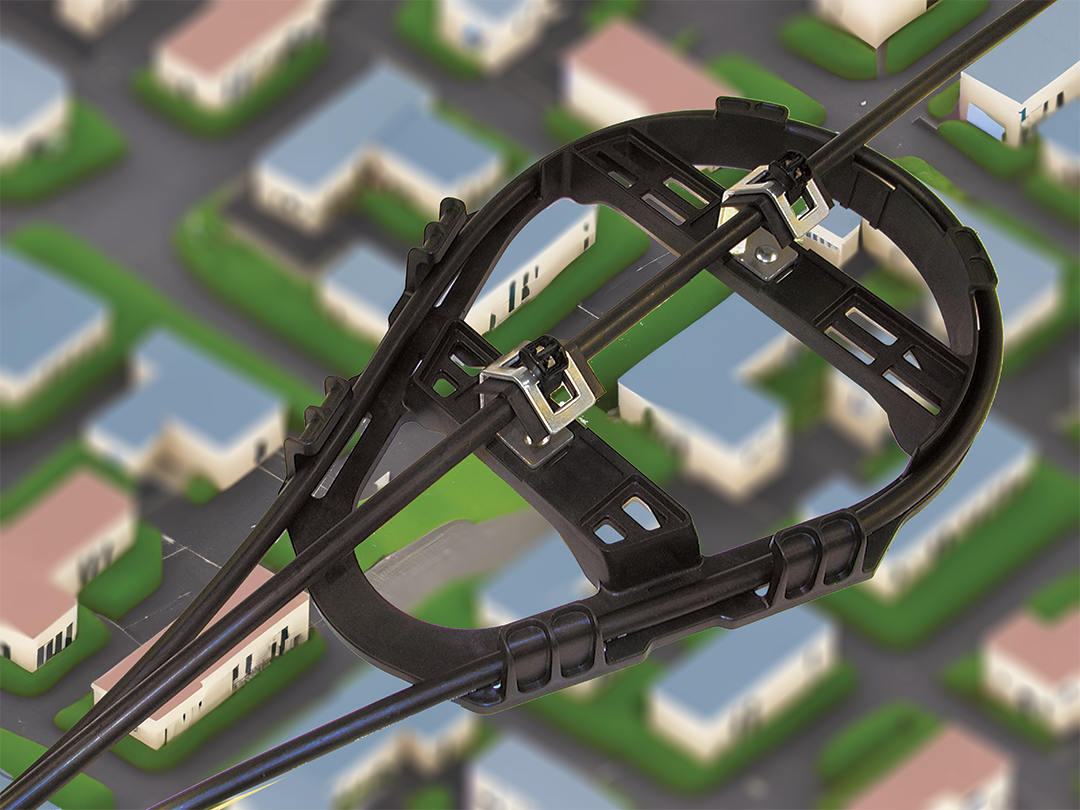
Fiber retraction occurs due to installation tension and environmental conditions. To mitigate this issue, technicians should follow best practices, such as installing slack loops. Each loop should have a minimum coil radius of 8 inches, with 4 to 6 windings at both the pole and the house. One study demonstrated that installing eight slack loops could eliminate retraction altogether, while only two loops allowed for up to 5.5 inches of retraction under light load conditions.
For pigtails, which may experience less retraction, utilizing 7-8 slack loops suffices. After installation, technicians should cut back the fiber optic cable adequately to maintain slack within the NID.
Best Practices for Buried Drop Installations
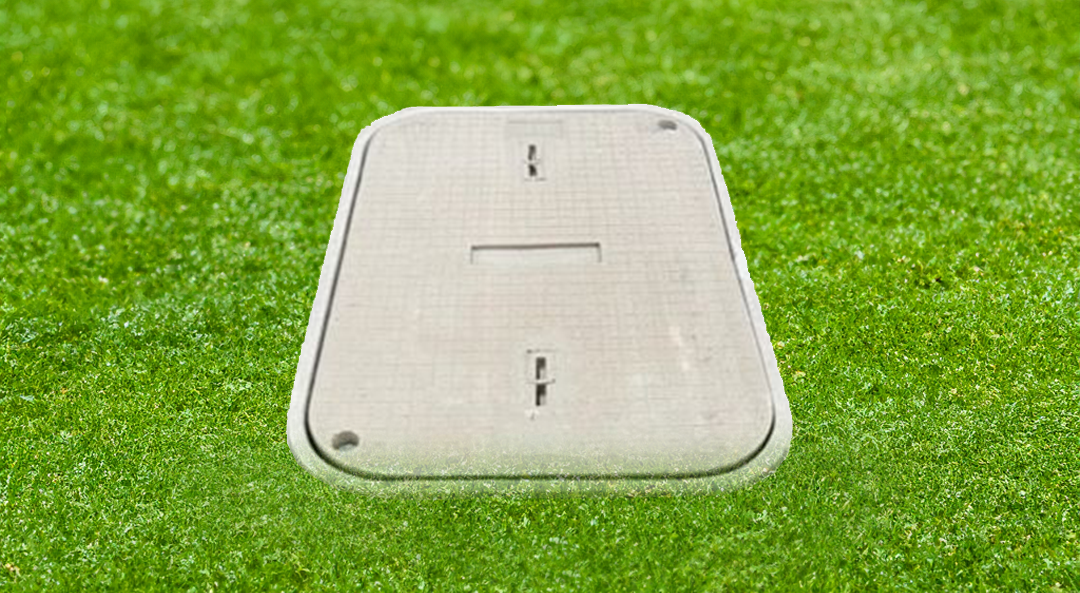
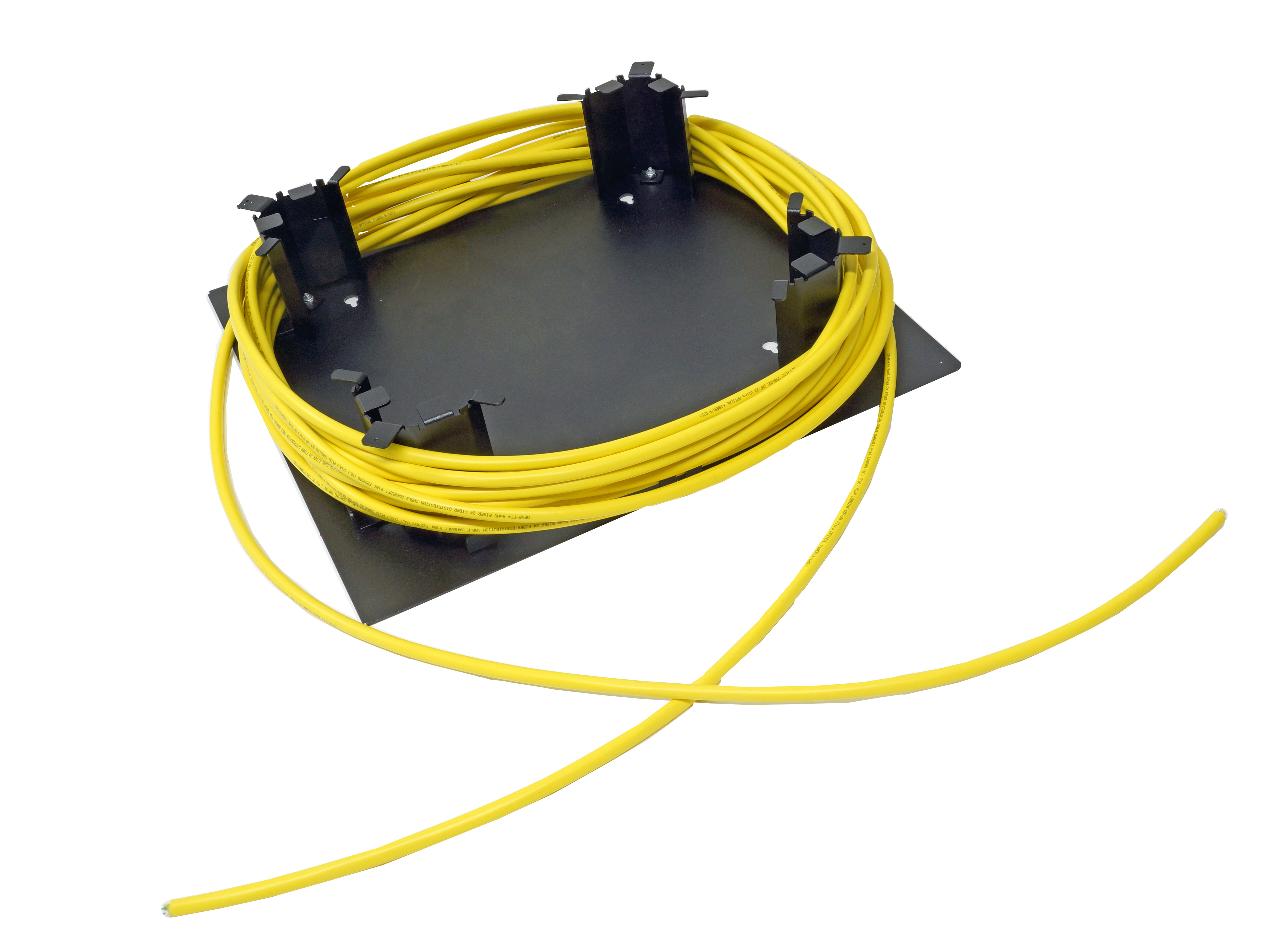
For underground drop cables, it’s essential to store slack loops within the NID or nearby pedestal. Using spiral wraps, tubing, or other reinforcement can help alleviate micro-bends or breaks that may occur due to insufficient slack. This same principle applies to longer spans attached to strands, where additional slack loops provide stability.
Technicians often report that longer spans make cables more susceptible to retraction. For spans exceeding 300 feet, selecting cables with enhanced load capabilities is advisable. Such cables often incorporate robust dielectric strength rods and adhesive coatings, like Ethylene Acrylic Acid (EAA), which improve adhesion between the jacket and strength members.
Conclusion
Understanding and managing optical fiber retraction in drop cables are crucial for ensuring a reliable broadband connection. Proper installation practices, including the use of slack loops and adhering to recommended span lengths, can significantly reduce service interruptions and improve overall system performance. By adopting these strategies, technicians can enhance the stability of fiber optic installations and mitigate the effects of environmental stressors on cable behavior.
